
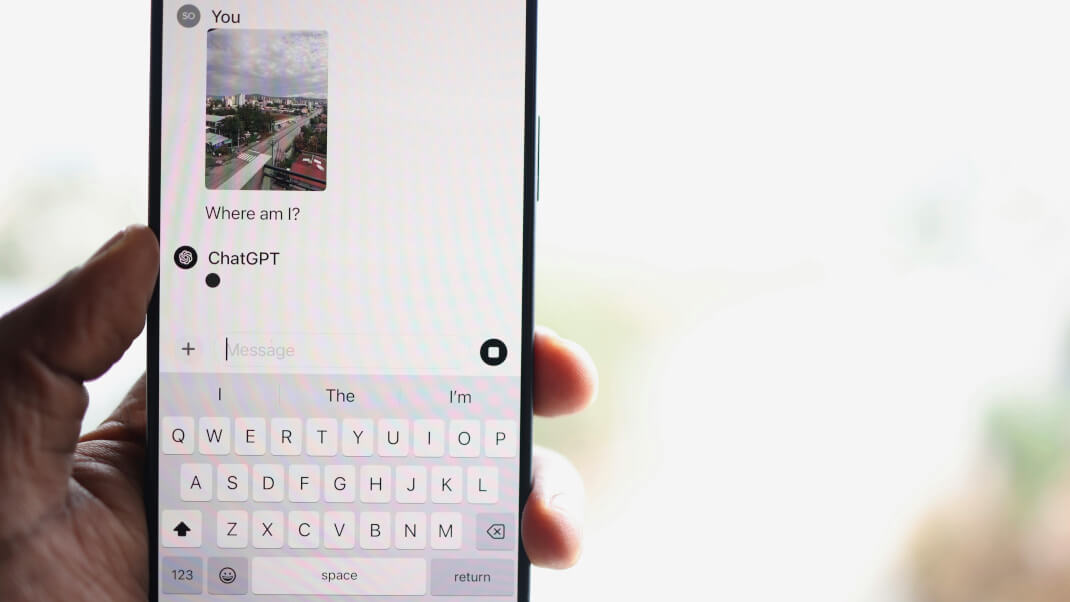
Travel planning is moving into conversational systems that answer questions and complete bookings in one place. With Booking.com and Expedia already live as apps inside ChatGPT, that shift is happening in plain sight and gaining momentum.
NB: This is an article from Lighthouse
Subscribe to our weekly newsletter and stay up to date
By 2026, it’s expected that roughly 40 percent of hotel bookings are expected to pass through AI-driven environments. This replaces the familiar chain of traveler → Google → OTA → hotel with traveler → AI agent → hotel inventory. The agent becomes the gatekeeper for which hotels appear and which channel wins the click.
That subtle change in workflow has far-reaching consequences for hotels.
Search and booking are no longer separate moments, they’ve merged into a single AI-driven process. When a traveler asks ChatGPT where to stay, the response already carries live availability and prices. Once that answer appears, the choice is often settled.
This shift pulls control further upstream, compressing the traditional booking funnel.
- As OTAs integrate directly within AI agents, they meet travelers before any search reaches the open web.
- Hotels that don’t provide structured, machine-readable data risk disappearing at the very moment interest turns into action.
Yet the same technology that introduces this risk also opens a door. Ad spend and branding matter less at the moment of algorithmic selection than clean, consistent, machine-readable data. Instead, they reward clear, consistent information. A hotel with accurate content, synchronized rates, and transparent policies can stand beside much larger brands.
In practice, that means the balance of power in distribution is starting to tilt again. Visibility will belong to those whose data can be read, trusted, and compared, whether the hotel is a global chain or a 30-room independent.
The question for every hotel is no longer whether AI will shape bookings (it will), but how to position their data so it’s chosen first and how to guide that choice back to your direct channel.
Marketing for machine-led discovery
As AI assistants become the starting point for travel planning, hotels will still need to inspire travelers. But to be seen at all, your information must first make sense to the systems doing the recommending.
Unfortunately, AI systems don’t browse sites the way people do; they only extract and interpret data. They look for verified, structured information they can use to answer the questions posed to them. This means that visual design, keyword density, and social reach no longer determine discoverability in a way they once did.
To remain visible in AI-driven search, hotels need to follow three guiding principles: