
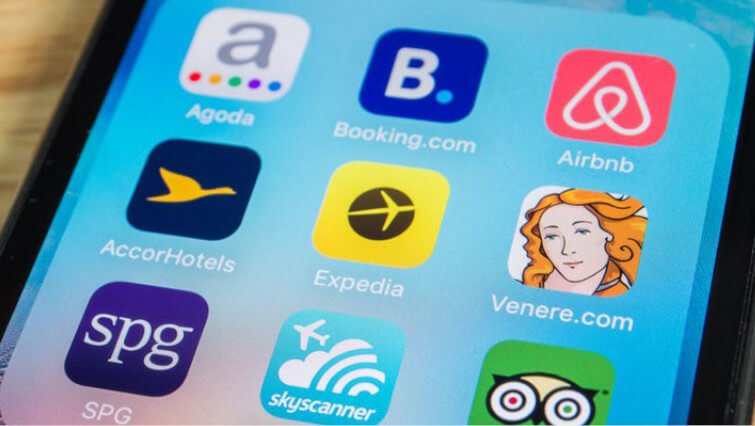
As we step into 2026, the relationship between hotels and Online Travel Agents (OTAs) requires a “strategic reset.” Despite the digital sophistication of the industry, many properties still remain over-dependent on third-party channels.
NB: This is an article from Bookassist
Subscribe to our weekly newsletter and stay up to date
Following the insights from late 2025, it is clear that while rate parity clauses have fallen, OTAs have responded with opaque schemes that continue to threaten hotel profitability.
To reclaim profitability this year, hoteliers must shift from a passive OTA-supplier mindset to one of active OTA strategy management. Here are 10 specific risks you must manage to protect your Direct Booking Strategy in 2026.
1. “Hidden” Discount Stacking
A major threat to rate integrity in 2026 remains the stacking of discounts in OTAs, where we increasingly see layering like “Genius” rewards on top of “mobile-only” discounts. Without strict oversight, this can result in your rates being slashed by over 40% without your strategic consent. This drastic undercutting trains guests to undervalue your product, especially direct on your website, and erodes your bottom line
2. Wholesaler Leakage
Rates intended for B2B packages (FIT contracts) are surfacing on public metasearch engines via third-party sites more frequently. Platforms like Agoda, Guest Reservations or obscure “travel clubs” often undercut official websites using these rates. For 2026, if you do not have strict clauses in your contracts forbidding this leakage, your direct channel will be constantly undermined by your own inventory.
3. The Shift to the Merchant Model
Watch out for the subtle shift from the agency model to the merchant model, where OTAs are taking the payment. This reduces transparency, often hiding the true selling price from the hotel. Under this model, OTAs can effectively sell at whatever price they want by shaving their own margin to be more competitive, completely obscuring your actual Cost Per Acquisition (CPA).
4. Unapproved Promotions
Be wary of “discount campaigns” that you did not explicitly opt into. OTAs frequently launch promotions – such as flash sales, summer deals, or value-adds like free taxi transfers – that can undermine your direct offers. These are often set as default “opt-out” schemes, meaning you are automatically enrolled unless you actively navigate often complex extranet options in order to leave.
5. Guest Data “Lock-In”
Data is the currency of the 2026 digital economy, and OTAs are hoarding it. By using masked email addresses and limiting data sharing, they deliberately prevent hotels from owning the guest relationship. This “lock-in” hinders your ability to market to these guests post-stay and thereby convert them into loyal direct bookers. Always get your guests’ emails at check-in if they have come via an OTA.