

For hotels and resorts focused on increasing direct bookings, AEO is becoming a critical extension of hospitality marketing, hotel metasearch, and Google hotel ads performance. This guide outlines a practical approach to AEO that prioritizes clarity, consistency, and measurable ROI, helping properties influence AI-driven discovery while supporting stronger downstream conversion.
NB: This is an article from gcommerce
{newsletter]
How hotels should approach AEO: 10 practical steps
1. Start with accurate, structured property data
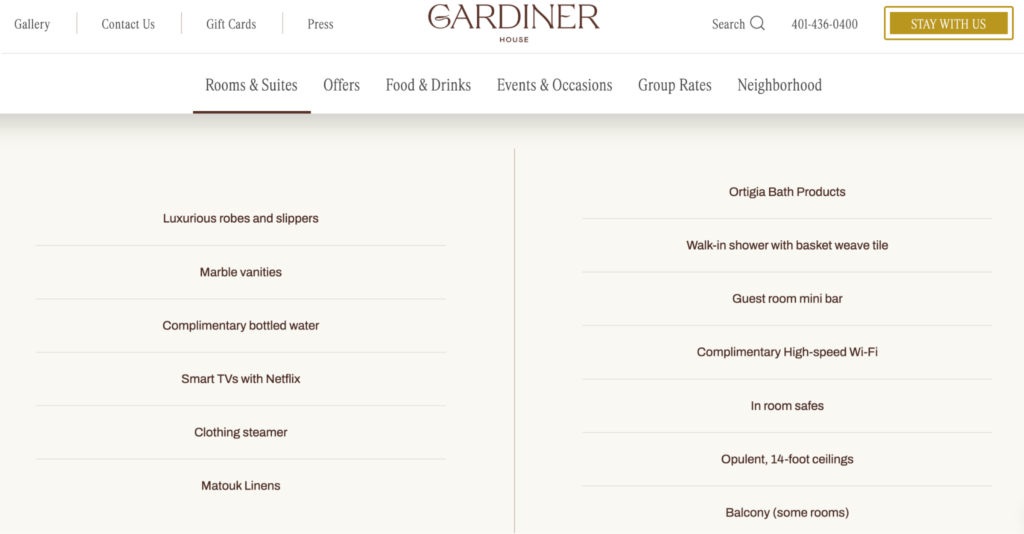
Hotels should ensure their core property information is consistent, complete, and well-structured across all platforms where they appear. This includes key details such as amenities, policies, location, room types, and booking information, all of which help AI systems understand and present the property accurately.
Since AI tools rely heavily on structured data, inconsistencies can reduce visibility, while clean and reliable data increases the likelihood of being recommended in answer-driven search results.
Important property data for AEO
- Hotel amenities
- Policies (check-in/out, pets, parking, etc.)
- Location and nearby attractions
- Room types and bed configurations
- Property descriptions
- Booking engine information
Why this matters
- AI tools rely on structured data
- Inconsistent information reduces visibility
- Clean data improves AI confidence in recommending your property
2. Optimize for AI answers, not just search rankings
Answer Engine Optimization (AEO) is about positioning your content so it’s directly used to generate answers, not just listed as a link in search results. Instead of competing purely for rankings on results pages, AEO prioritizes becoming the source that platforms like Google Search, ChatGPT, or Microsoft Copilot pull from when delivering concise, conversational responses.
How to structure hotel content for AI
- Use clear headings
- Answer traveler questions directly
- Write clear, unambiguous descriptions
- Avoid vague marketing language
- Use structured sections and FAQs
Why this matters
- Visibility often happens before a click
- AEO influences early discovery in the traveler journey
3. Prioritize high-intent traveler questions
Hotels should create content that directly answers the questions travelers are actively searching for, such as location details, amenities, policies, and who the property is best suited for. By addressing these high-intent queries clearly and directly, hotels can align their content with how people naturally search and how AI systems retrieve answers.
This matters because answer engines prioritize content that resolves user questions efficiently, helping attract more qualified travelers who are closer to making a booking decision.