
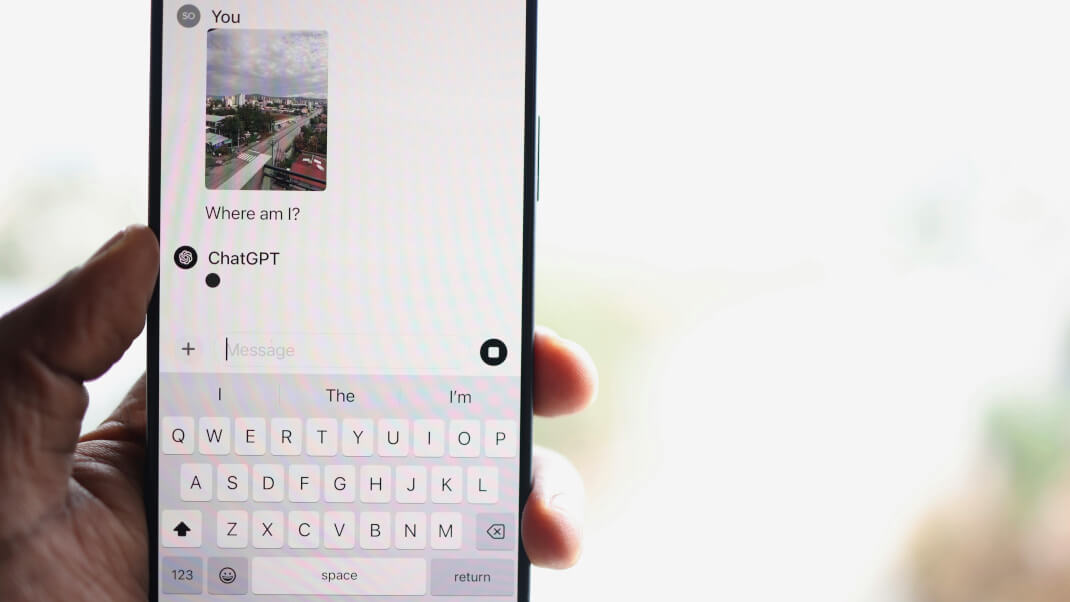
AI-powered search engines like OpenAI’s ChatGPT are changing the way guests find and plan their travel experiences. Hotels who want to stay visible in this shifting landscape need to adapt their search strategies; however, ChatGPT’s recent decision to step back from in-platform transactions is creating new opportunities for hotels seeking to leverage AI for direct bookings.
NB: This is an article from Cendyn
Subscribe to our weekly newsletter and stay up to date
OpenAI recently announced they are reducing the scope of their planned in-platform purchasing structure to focus on product discovery vs. completed transactions. Basically, instead of showing searchers potential hotel options and allowing them to book from within ChatGPT, the system will only offer recommendations for websites and apps where guests can complete their purchase.
This is a huge win for the hospitality industry as searchers who are using AI for travel planning will now be encouraged to complete their purchases on the brand website. So while AI assistants increasingly influence how travelers research their trips, guests are completing those bookings themselves on hotel or OTA sites and not through an AI platform.
This changes AI from a booking competitor to a major discovery channel. It also means hoteliers need to understand how to drive direct bookings from AI-generated search results to guide high-intent guests to your website.
Generative search (GEO) best practices for hotels
Hotels need more than keywords to stay ahead in 2026. As Generative Engine Optimization (GEO) reshapes how guests find and make travel decisions, your ability to remain competitive requires adapting your website to increase the chances of being cited in AI snippets and search results.
This is the perfect time to revisit your content and ensure it offers the clarity, trust signals, and meaningful context both people and AI need to make booking decisions. Consider the following best practices as you explore ways to reposition your website for AI-first search.
1. Utilize semantic content modeling
AI looks for context and meaning in website content – not just keywords, which is where semantic content modeling comes in. Hotel marketers need to shape their website content around real traveler intent so AI can understand why your hotel is a good fit for any particular search query. Hotels that feature content with clear answers to popular questions, and relevant information that is either linked to or referenced by trusted sources will come out ahead.