Two months ago, a luxury Mediterranean resort was caught off guard. Weekend bookings were filling up, but midweek remained unexpectedly soft. The signs had been there for weeks, yet no one acted.
NB: This is an article from Juyo Analytics, one of our Expert Partners
Subscribe to our weekly newsletter and stay up to date
By the time the revenue team reacted, the booking window was nearly shut, leaving thousands in lost revenue and desperate last-minute discounts.
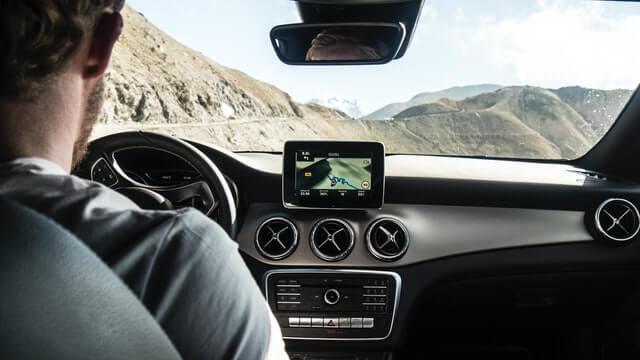
Here’s the truth: relying on yesterday’s reports is like driving a Ferrari while staring only in the rear-view mirror. You might feel fast and powerful, but eventually, you’ll crash.
In hospitality, reacting quickly is no longer enough. If you’re not anticipating what’s next, you’re already behind.
The Gap: Reporting vs. Anticipating
For years, hotels have relied on descriptive analytics: STR reports, pickup trends, and dashboards that show what already happened.
Useful, yes. But backwards-looking by nature.
And when you only look back, you risk making your next move too late. That’s how you end up:
- Changing prices too late to capture peak demand.
- Spending on marketing after the booking window has already closed.
- Making staffing decisions without knowing what’s really coming.
Reports create an illusion of control. They tell you what happened, not what’s coming. That’s why the real shift is from descriptive analytics (“what happened”) to predictive and prescriptive analytics (“what’s likely to happen” and “what to do about it”).
Predictive Analytics: See the Next Trend Before it Hits
Imagine spotting a midweek demand slump next month while there’s still time to act. Or realizing a booking channel is about to deliver lower-margin business, and shifting distribution before it costs you.
That’s the power of predictive analytics. It gives you a forward view so you can:
- Anticipate demand fluctuations with enough lead time to act.
- Forecast guest behaviour and segment profitability.
- Identify high-risk periods for underperformance before they impact the bottom line.
Other industries mastered this long ago. Airlines use predictive models to adjust fares in real time, anticipate cancellations, and even predict how weather will shift passenger behavior. That’s why two passengers in the same row can pay very different prices.
E-commerce giants do the same: Amazon runs predictive models to change prices millions of times a day and recommend products before a shopper even searches for them. It’s a proven success. So why are hotels still staring at yesterday’s pickup reports?
The more you can see what’s coming, the more control you have over your results.