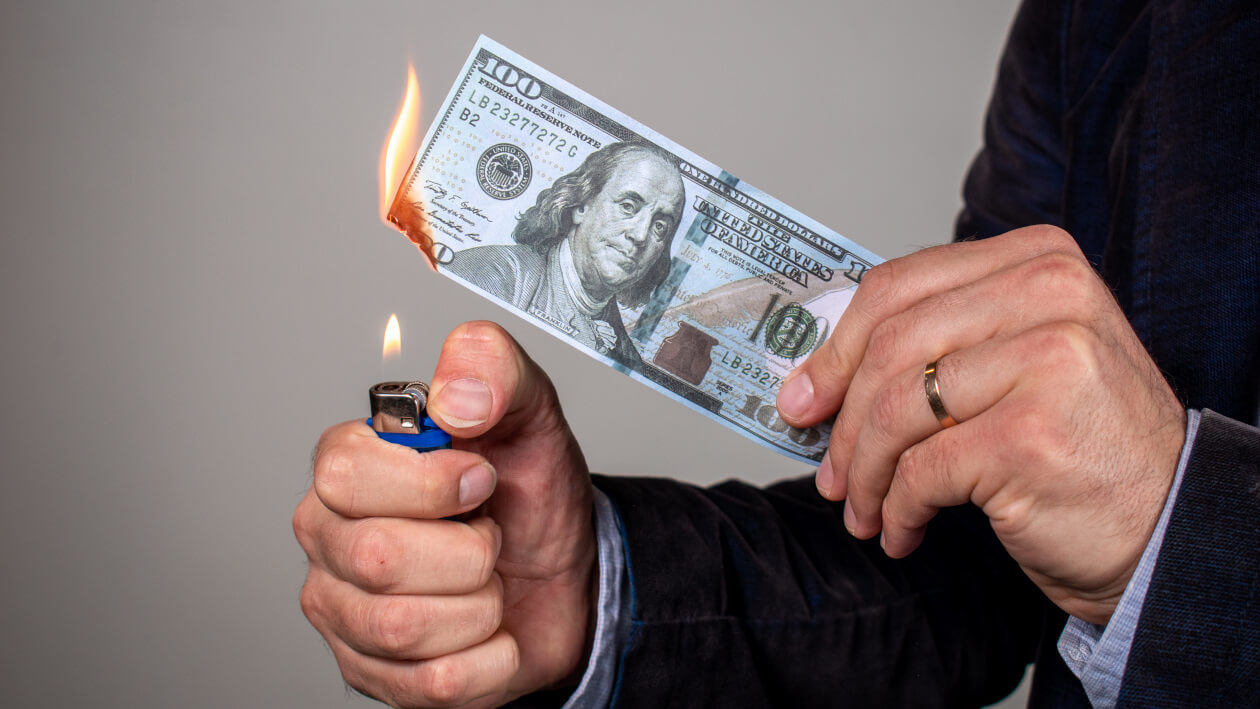

If a free bottle of water or a complimentary snack were enough to convince customers to book directly instead of through Booking.com, every hotel would have solved the OTA problem years ago.
NB: This is an article from Direct Your Bookings
Subscribe to our weekly newsletter and stay up to date
Yet here we are.
The hotel industry keeps trying to win the direct booking battle on tangible ground:
- a small discount here
- a free amenity there
- a welcome drink
- a piece of fruit in the room
- maybe even 10% off if you book on our website.
These tactics rarely move the needle, at least not to the extent most property owners and managers hope.
The reason is simple: we’re ignoring the mental processes happening in the customer’s mind during the booking decision.
Most of these processes are subconscious.
The customer doesn’t even realize they’re happening.
But they’re steering the decision nonetheless, quietly pushing them toward Booking.com or Expedia instead of your website.
Material benefits, especially low-value ones, don’t address these underlying psychological forces, because they operate on a different level entirely.
This explains something that frustrates hoteliers everywhere: even when your direct rates are cheaper than OTA rates, customers still book through OTAs.
So to say: price is not always the problem, but maybe psychology is.
In this post, we’ll first examine why customers gravitate toward OTAs and why competing on their terms is a losing strategy.
Then we’ll explore seven psychological tactics that shift the battlefield entirely, creating perceived value without eroding your margins. Here we go with the 7 direct-booking strategies that don’t require lowering your rates.
Why Customers Choose OTAs (And Why You Can’t Win There)
When a potential guest compares your website against the Online Travel Agencies, a series of subconscious calculations runs in the background. Most of these thoughts never reach conscious awareness, but they shape the final decision.
The protection instinct
“If something goes wrong, Booking.com will protect me. They’re big. They have leverage. If the hotel tries to screw me over, Booking will fight for me.”
You might think this mental process is rational thinking, but I can guarantee you it’s purely visceral.
The customer imagines a worst-case scenario: the room doesn’t exist, the hotel double-booked, the photos were misleading. In that imagined crisis, having Booking.com as an intermediary feels safer than dealing with the hotel directly.
You can’t compete with this. You are the hotel. In the customer’s mental model of potential conflict, you’re the adversary, not the protector. Booking, Expedia and all other “big guys” position themselves as the customer’s advocate.
You can’t credibly claim the same role.