As the hospitality industry looks ahead to 2026, technology continues to dominate strategic conversations. Yet the most significant challenge may not be what technology hotels adopt, but how it reshapes teams, roles, and leadership inside the organisation.
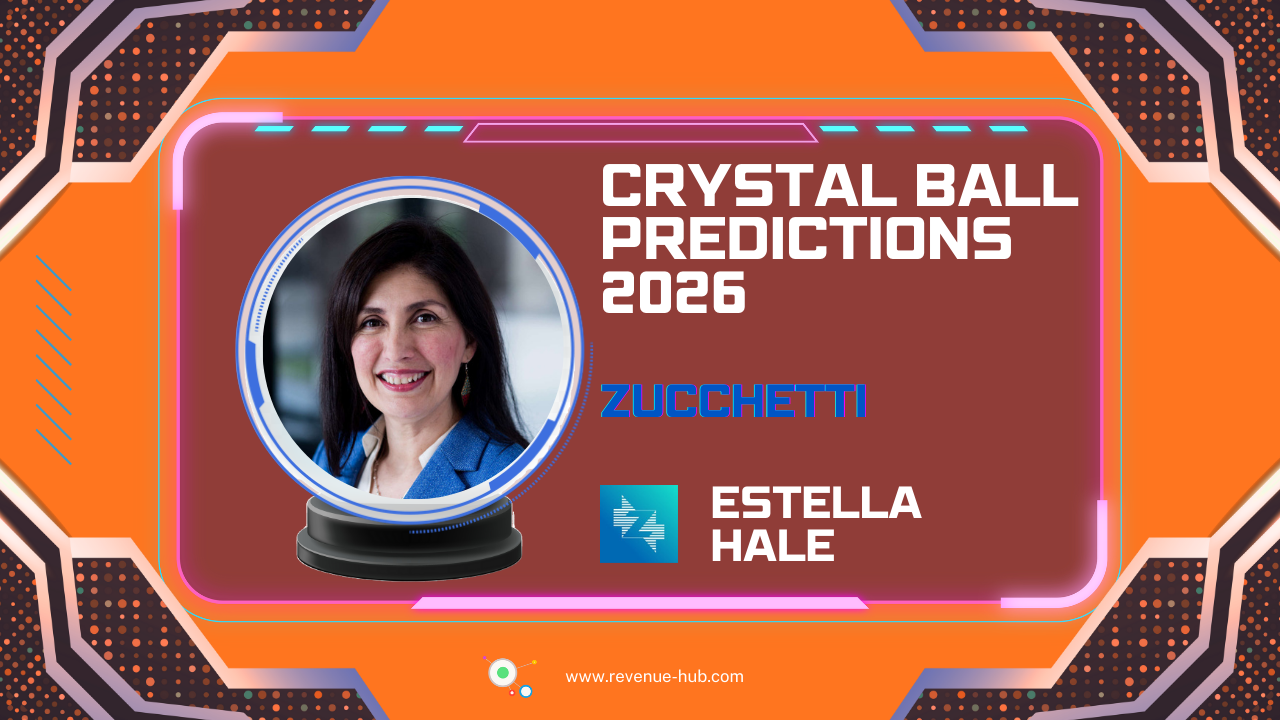
In a recent discussion as part of our 2026 “crystal ball” predictions series, Estella Hale of Zucchetti North America, one of our Expert Partners outlined how the next phase of digital transformation will demand far greater intentionality around communication, culture, and people development.
Here is the full interview and we have summarised some of the key points below.
Subscribe to our weekly newsletter and stay up to date
One of the most important shifts underway is that emerging technologies – particularly AI-driven tools – are acting as an equaliser. Historically, experience created clear hierarchies of knowledge within hotels: senior leaders understood operations deeply, while newer team members often brought stronger digital fluency. Today, many technologies are new to everyone. This creates an opportunity for reverse mentorship, shared learning, and stronger collaboration across generations within a team.
However, the same equalising effect creates risk when applied across departments. Tools like generative AI make information instantly accessible, allowing individuals to form quick, and often superficial, conclusions about functions outside their expertise. A marketing professional can now “learn” revenue management in minutes – or believe they have – without understanding the nuance, discipline, or accountability behind it. Rather than breaking down silos constructively, technology can fracture trust and create tension if left unmanaged.
This is where leadership becomes critical. Silos will be broken by technology whether hotels are ready or not. The question is whether this happens in a guided, strategic way, or in an uncontrolled manner that fuels misunderstanding and conflict. Leaders must move beyond simply encouraging “better communication” and instead define how cross-functional understanding is built, validated, and shared.
Another challenge lies in how technology changes daily work. As task-based systems become more prevalent – automated alerts, mobile workflows, and AI-driven task allocation – employees may feel less like members of a team and more like operators responding to prompts. While productivity may increase, the risk is a decline in human connection and engagement, particularly in an industry where teamwork and camaraderie have always been core strengths.
For general managers, this requires conscious design of interaction, not just efficiency. For revenue managers, it means ensuring that data-driven decisions are clearly explained and contextualised, not simply surfaced by tools. Technology should support collaboration, not replace it.
Looking further ahead, there is also a talent pipeline concern. If automation removes entry-level tasks today, where will tomorrow’s experienced leaders gain the foundational exposure needed to grow? Hiring for “two to three years’ experience” becomes difficult if those learning pathways are unintentionally removed.
The solution is not to slow technology adoption, but to pair it with structured mentorship, career pathways, and reskilling. When a tool frees up 20% of an employee’s time, that capacity must be deliberately reinvested – into cross-functional exposure, strategic thinking, or guest-centric initiatives. This requires HR and leadership to be aligned on the why behind every technology decision and to connect KPIs, reviews, and development plans back to that purpose.
In 2026, successful hotels will not be defined by how much technology they deploy, but by how well they lead through its impact. Breaking silos, sustaining engagement, and developing future talent will all hinge on intentional leadership, not automation alone.