
There is an elephant standing in the middle of the hotel industry’s boardroom. Everyone can see it. Almost nobody wants to talk about it. Instead, the industry does what it usually does when something is structurally wrong. It renames the problem, turns it into a budget line, and hires somebody to optimize around it.
NB: This is an article from Americas Great Resorts
Subscribe to our weekly newsletter and stay up to date
That is how you end up with one of the most respectable-sounding phrases in hotel business language:
Marketing agency.
Really.
Marketing what, exactly?
The hotel? The offer? The booking button? The spring package? The spa credit? The rooftop cocktail with the smoked rosemary and the little orange peel twisted by a guy named Luca?
No. Not really.
Most of the time, what the industry calls hotel marketing is just the professional optimization of dependency. That is the joke.
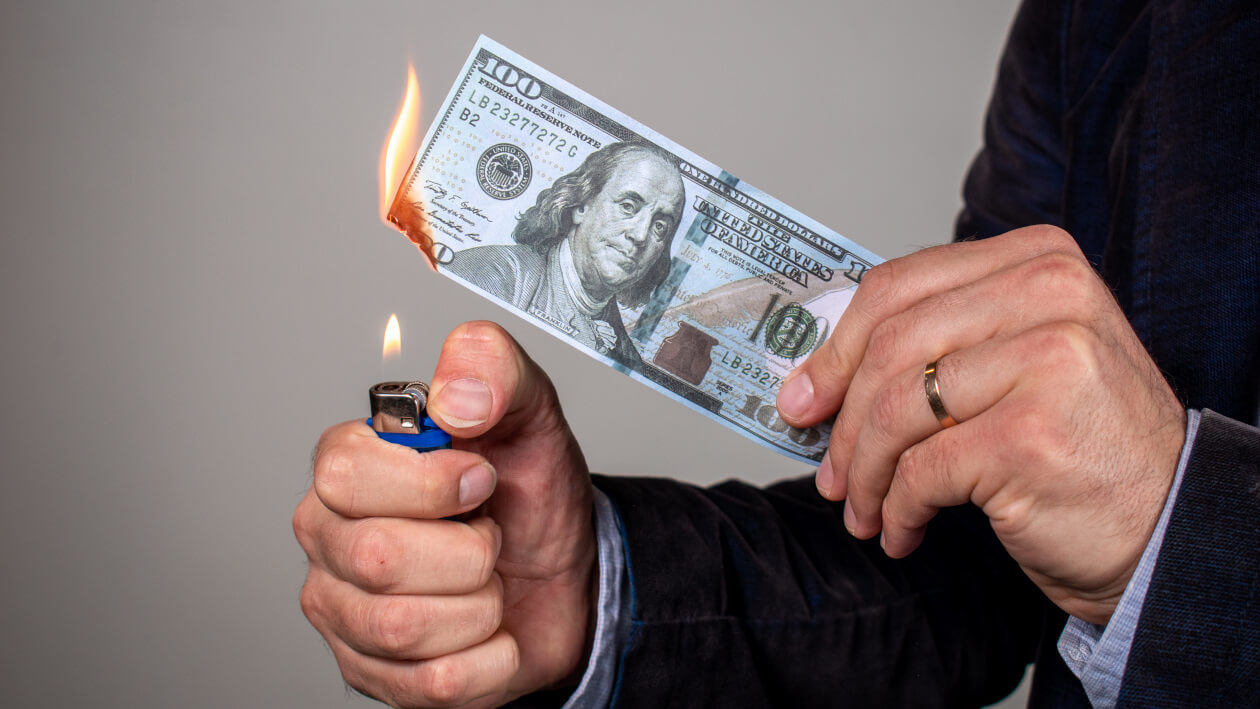
A hotel rents visibility from Google, rents transactions from OTAs, rents attention from Meta, rents repeatability from a CRM platform, rents credibility from review platforms, rents demand from intermediaries, then hires an agency to make all that rented access perform 11 percent better this quarter.
And everyone claps.
That is not strategy. That is a very polished way of getting better at paying tolls. The industry even has noble-sounding language for it.
Direct booking. Performance marketing. Loyalty. Conversion optimization. Digital strategy.
Beautiful words. Very expensive words. Words with nice decks. Nice dashboards. Nice quarterly business reviews. But strip the paint off them and ask one rude question:
If the hotel does not control the introduction, what exactly is it controlling?
That is the question nobody wants to sit with, because once you do, the whole room starts looking ridiculous.
A hotel spends twenty years talking about brand, experience, positioning, storytelling, service, guest journey, and emotional connection. Then the actual introduction to the guest happens on Booking.com, Google Hotel Ads, Instagram, ChatGPT, a review site, an OTA listing, or a paid click path owned by somebody else.
And then the hotel says it is building direct business.
- Direct from where?
- Direct after what?
- Direct after the guest was found, filtered, compared, framed, priced, ranked, and handed over by a third party?
That is not demand ownership. That is reacquisition with better stationery.
The industry has normalized something genuinely absurd.
It is like losing your wallet, paying someone to hand it back to you one bill at a time, then calling yourself financially disciplined because you negotiated the service fee down by 2 percent.