Running an independent or boutique hotel already asks a lot of you. You’re working with a smaller team, fewer systems, and no corporate layer to sanity-check decisions or step in when something doesn’t add up. So, you build your forecast the only way you can: out of what’s available.
NB: This is an article from Duetto
Subscribe to our weekly newsletter and stay up to date
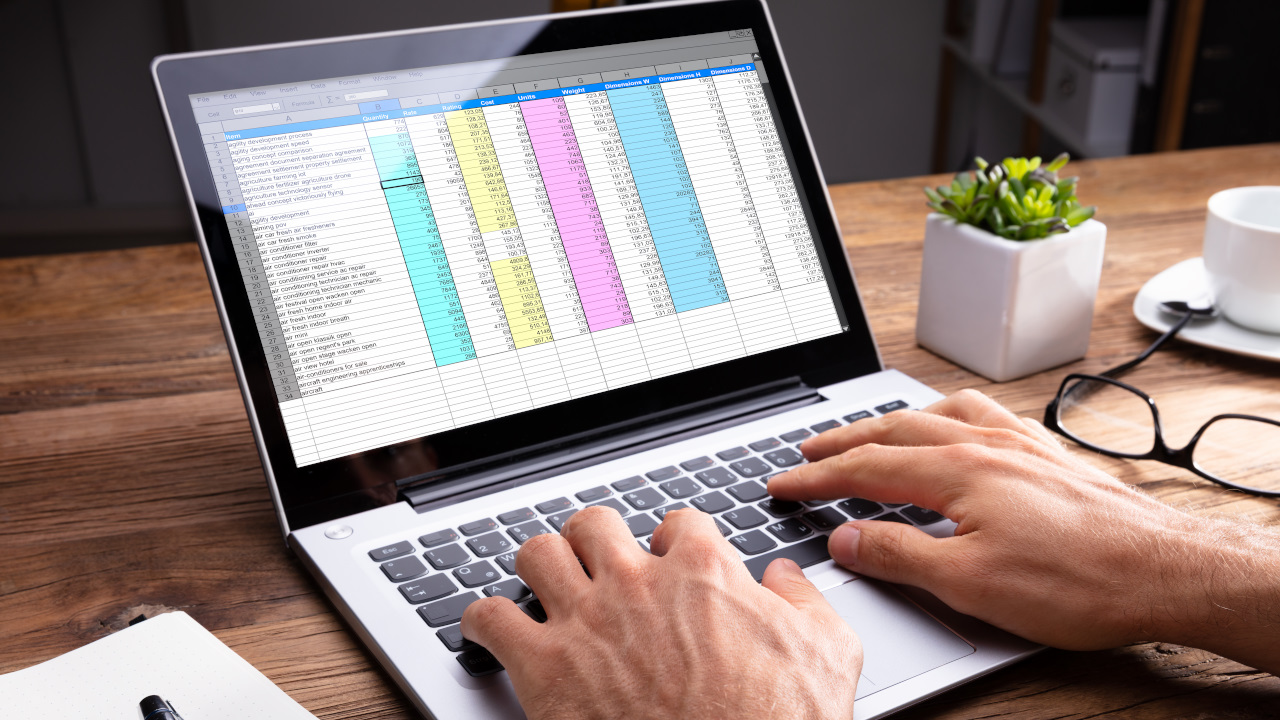
Pickup from one report. Pace from another. Maybe a rate shop or two. It’s all manually pulled into a spreadsheet, then checked throughout the week until you’re confident(ish) it won’t fall apart in your next meeting.
It may not be a clean, repeatable process. But it’s a forecast. Except for the fact that, when push comes to shove, it doesn’t really function like one.
With manual forecasting, most of your time is spent making the numbers usable, not useful. Your forecast starts to act less like a forward-looking tool and more like a way of playing catch-up – reconciling data, aligning reports, and explaining changes after they’ve already happened.
That comes at a cost.
The hidden cost of manual forecasting.
Most of the conversation around manual forecasting focuses on the workload: how long it takes, how many reports you’re pulling, and how often you’re rebuilding the same numbers just to feel confident in them.
Those are real challenges, but they’re not what holds performance back. The bigger issue is what that work replaces.
1. Time spent checking numbers, not acting on them.
When your data is coming in from different places, getting to a single, consistent view takes effort. A good part of the week goes into:
- Lining up numbers between reports.
- Making sure yesterday’s view matches today’s.
- Adjusting anything that doesn’t quite hold together.
All those hours spent validating numbers have a ripple effect. Pricing decisions happen later, planning gets compressed, and early signals in demand are harder to act on while they’re still developing.
2. Decisions that follow the market, instead of moving with it.
Say a local event gets announced, competitors shift their rates, or booking pace picks up midweek.
When your forecast depends on manual updates, those changes take time to show up in the numbers. Meanwhile, you’re waiting to see the shift reflected – pickup building, pace accelerating – before making a move.
By the time that signal is clear enough to act on, the early window has passed. Pricing still moves, but it happens later, once demand is visible and there’s less room to push rate or shape the outcome.
3. Forecasts that create doubt instead of confidence.
When the numbers feel solid, decisions move quickly. When they don’t, every conversation takes a little longer.
Ownership asks more questions, operations holds back on planning, and discussions start to revolve around whether the numbers hold up. Instead of acting as a shared reference point, the forecast becomes something you have to defend.
While that’s happening, decisions slow down, alignment takes longer, and momentum across the business starts to stall.