

AI is reshaping how travelers discover hotels and resorts. Traditional search rankings still matter, but AI-powered answer engines and generative platforms are changing how visibility works. For hospitality marketing leaders focused on increasing direct bookings, understanding the difference between AEO and GEO is no longer optional. It is foundational.
NB: This is an article from gcommerce
Subscribe to our weekly newsletter and stay up to date
This article explains how answer engine optimization and generative engine optimization differ, how they connect to hotel metasearch and Google hotel ads, and how hotels and resorts can apply both strategies without overcomplicating their tech stack.
What is AEO for hotels and resorts?
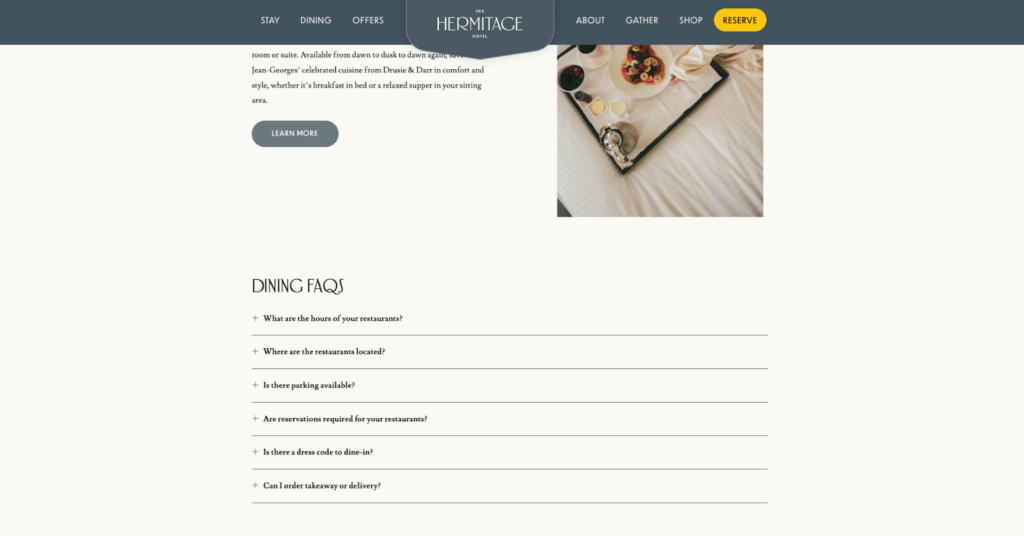
Answer engine optimization, or AEO, is the practice of structuring content so AI-powered answer engines can quickly interpret and surface it in direct responses.
When a traveler asks, “Which hotels in Denver have rooftop pools?” an AI tool scans structured, trusted sources to provide a concise answer. AEO ensures your property’s content is clear, factual, and formatted in a way that increases the likelihood of being referenced.
For hotels and resorts, AEO focuses on:
- Clear FAQ sections
- Structured property details and amenities
- Consistent descriptions across platforms
- Accurate location and policy information
AEO supports hospitality marketing by improving visibility in conversational and voice-based search experiences before the traveler ever clicks a traditional result.
What is GEO for hotels and resorts?
Generative engine optimization, or GEO, focuses on how AI models synthesize and regenerate information about your property.
Instead of pulling a short answer, generative engines create narrative responses such as:
“Top boutique hotels in Austin for couples include properties known for walkable locations, spa amenities, and curated dining experiences.”
GEO ensures your property’s value proposition, positioning, and differentiators are clearly written so generative AI tools can accurately represent them.
For hotels and resorts, GEO emphasizes:
- Clear positioning statements
- Context-rich descriptions
- Defined audience segments
- Structured storytelling grounded in factual data
GEO extends traditional SEO into AI-generated environments where content is summarized, blended, and rephrased.