

I deleted a hotel newsletter this morning without opening it. It wasn’t the first time. I get these emails almost daily, usually from hotels I’ve stayed at before. Which makes it worse, because I’m exactly the person they should be converting.
NB: This is an article from Direct Your Bookings
Subscribe to our weekly newsletter and stay up to date
According to Campaign Monitor, the average open rate for hospitality email marketing sits around 20-25%. That means 75-80% of your past guests never see what you’re offering. But the real problem isn’t the open rate. It’s that most hotel newsletters are designed to be ignored.
Generic subject lines. Wasted preview text. Discount percentages without context. Messages that assume demand exists when it doesn’t.
This isn’t a small problem. Your past guest database is one of your most valuable assets. These are people who already know your property, have a positive experience to reference, and are significantly cheaper to convert than cold traffic.
Yet most hotels treat them like a mass mailing list instead of an opportunity for genuine reconnection.
Here’s what’s going wrong, and what to do instead.
The Newsletter I Was Sent
Before we get into solutions, let me show you what triggered this post.
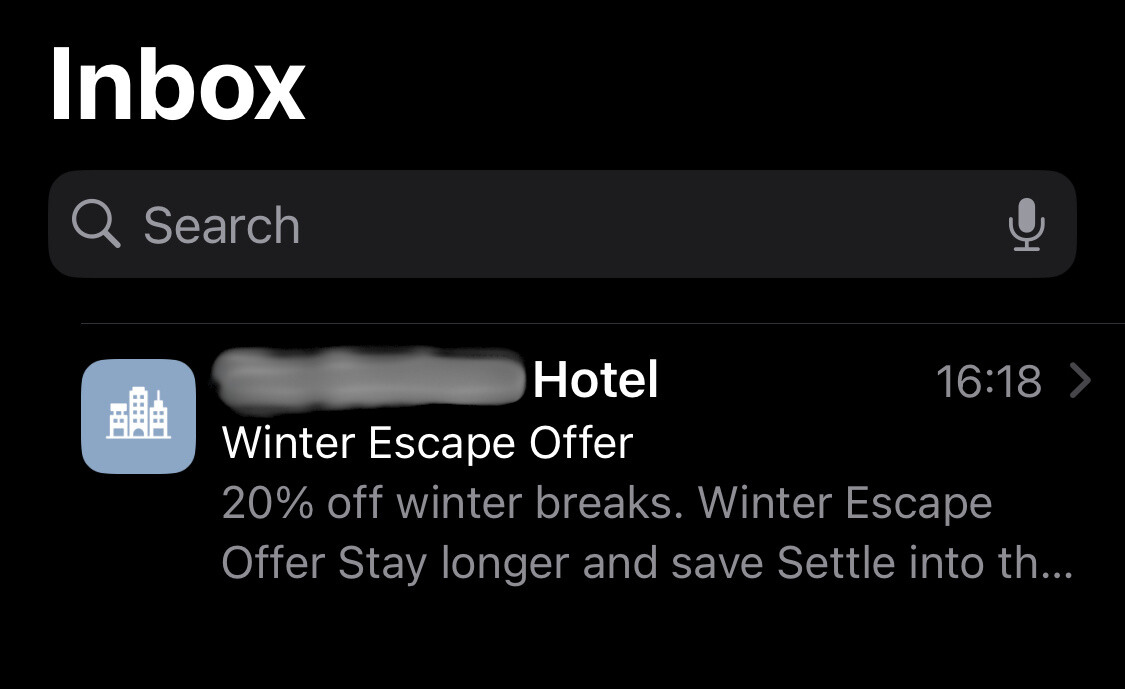
Subject: “Winter Escape Offer”
Preview: “20% off winter breaks. Winter Escape Offer Stay longer and save Settle into th…”
I deleted it immediately. Here’s why.
Problem #1: Generic Subject Lines Create Zero Curiosity
“Winter Escape Offer” could be from any hotel in any location. There’s nothing specific, nothing intriguing, nothing that makes me want to open it.
Your subject line has one job: make someone curious enough to click. Generic seasonal phrases don’t do that. They blend into the noise of every other hotel doing the exact same thing.
What works instead:
Subject lines that create a specific mental image or reference a concrete event. Not “Summer Special” but “Rooftop cinema returns, June 15-17.” Not “Spring Break Offer” but “Cherry blossoms peak this weekend, balcony rooms available.”
Specificity beats generality every time.