
What made investors bet $900 million on Elizabeth Holmes’ Theranos, despite no proof of concept? How did Apple sell more iPods than Microsoft sold Zune, even though Zune had better hardware?
NB: This is an article from GuestCentric
Subscribe to our weekly newsletter and stay up to date
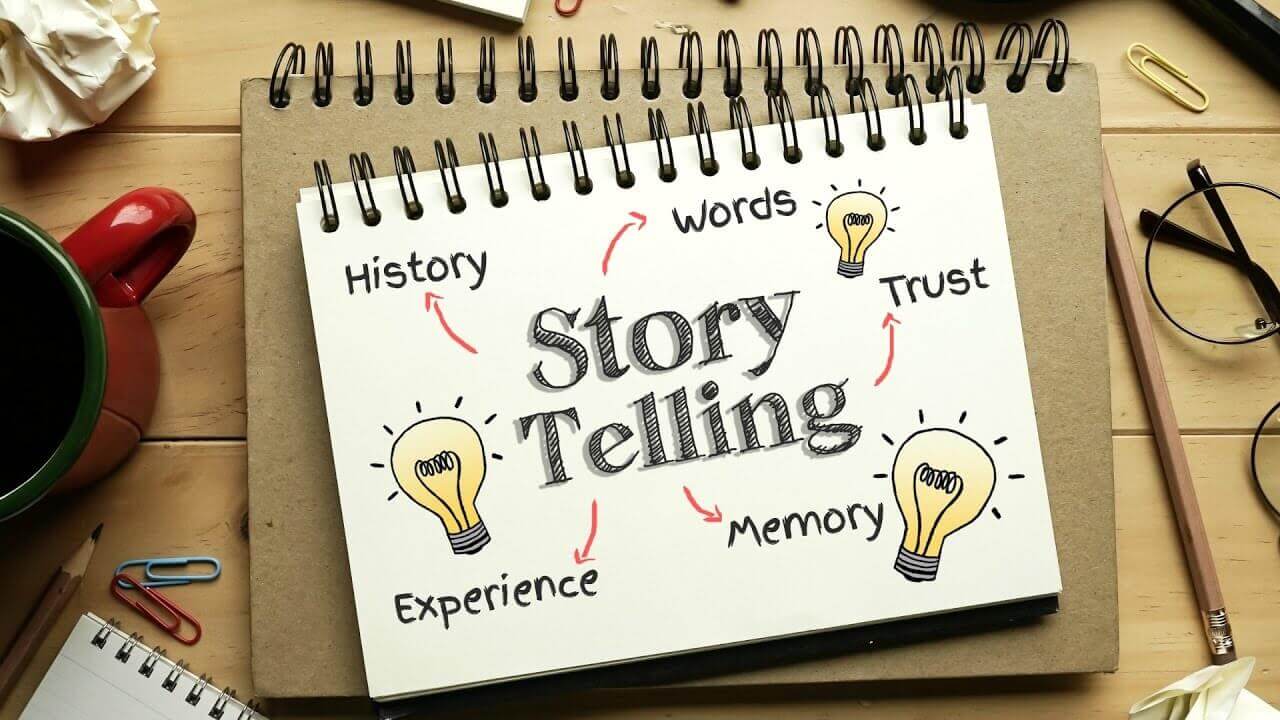
Why was smoking once considered the epitome of glamour, only to be pushed out into the cold? As the Steve Jobs once said, “The most powerful person in the room is the storyteller”, a good story is what binds these examples of success together.
Travel is a storytelling industry, and independent hotels have the potential to turn their stories into unique experiences that guests aspire to live (and book).
What Makes a Good Story?
Since the beginning of time, humans have lived through stories. It’s how tribes were formed, reputations were built, and social hierarchies established. A good story can make consumers believe in a brand without fully understanding its product functionalities.
In the hotel industry, effective storytelling starts with knowing your guest, and allowing them to see themselves in the experiences you offer. But storytelling needs to be supported by a smooth online journey that makes it easy for guests to move from inspiration to booking.
The Best Stories Sell
When a hotel combines a strong brand narrative with an effortless, intuitive online experience, the results are tangible. GuestCentric studies show that properties showcasing their brand prominently through their website and other digital have managed to double direct bookings in less than a year.
Aesthetics and storytelling form the foundation of a hotel’s brand – they capture attention, spark desire, and emotionally engage guests. But beauty and narrative alone don’t close the deal. The true power lies in guiding guests seamlessly from inspiration to action.
Hotels must design a journey where the moment a guest feels captivated by a story, they can instantly act – exploring room options, discovering curated experiences, or completing a booking. Every interaction should feel intuitive, effortless, and personal, showing the right offers and content at the right moment.
In other words, a compelling story sets the stage, but conversion-focused design turns engagement into loyalty, and inspiration into revenue. Hotels that master this balance – melding narrative, aesthetics, and seamless functionality both attract attention and turn it into meaningful guest connections and business results.