Consumers today are redefining what “value” means, and brands are feeling the pressure. Deloitte’s research on the value-seeking consumer shows that 4 in 10 Americans now exhibit deal-driven, cost-conscious, or trade-down behaviors across industries, from groceries to travel.
NB: This is an article from Deloitte
Subscribe to our weekly newsletter and stay up to date
Even high-income households are reassessing what value means and are seeking brands that feel fair in price and generous in return.
This shift is prompting brands to intensify price-based competition, and many find themselves in a race to the bottom. Yet there is a more strategic way to deliver value than perpetual price cuts. Our research shows that perceptions of a brand’s value stem from factors other than price for as many as 40% of surveyed consumers. Depending on the industry, factors such as customer service, quality, ease of checkout, and loyalty programs can help attract consumers versus price alone. For example, in the restaurant and hotel industries, employee friendliness is seen as a top customer service value driver, whereas in the apparel industry, helpfulness and effectiveness are top drivers. Our analysis shows that consumers demonstrate higher future purchase intent toward brands that add value beyond price, creating a meaningful opportunity to differentiate without competing on price alone.
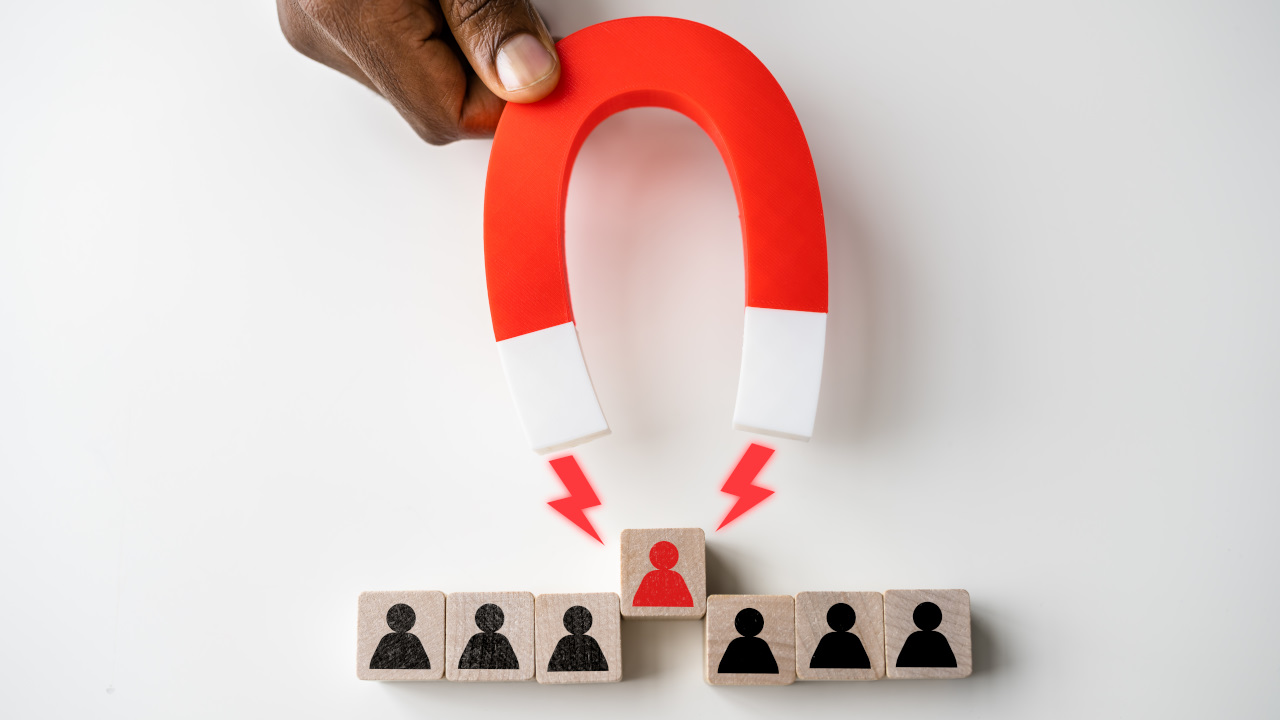
Among the non-price factors that customers seem to value, loyalty programs emerge as a clear differentiator. In fact, the 2025 Deloitte Consumer Loyalty Program Survey (see methodology) finds that while price, value, and quality remain the top drivers of brand loyalty across all age and income groups, loyalty programs follow close behind. This creates an opportunity for brands to expand how they deliver value, not only through competitive pricing and strong products, but also through loyalty programs that deepen engagement and reward ongoing participation. Put simply, loyalty programs have moved from a “nice-to-have” to a strategic lever that drives continual business over time.
Loyalty enrolment is high, but engagement is selective
The survey results clearly show that effective loyalty programs fundamentally reshape consumer behaviour. Most consumers (72%) say loyalty programs make them more likely to spend with their preferred brand, while over half (56%) increase their spending because of the program.4 Perceived value also increases, with 80% of consumers noting they get more from the brand because of the loyalty program.5