
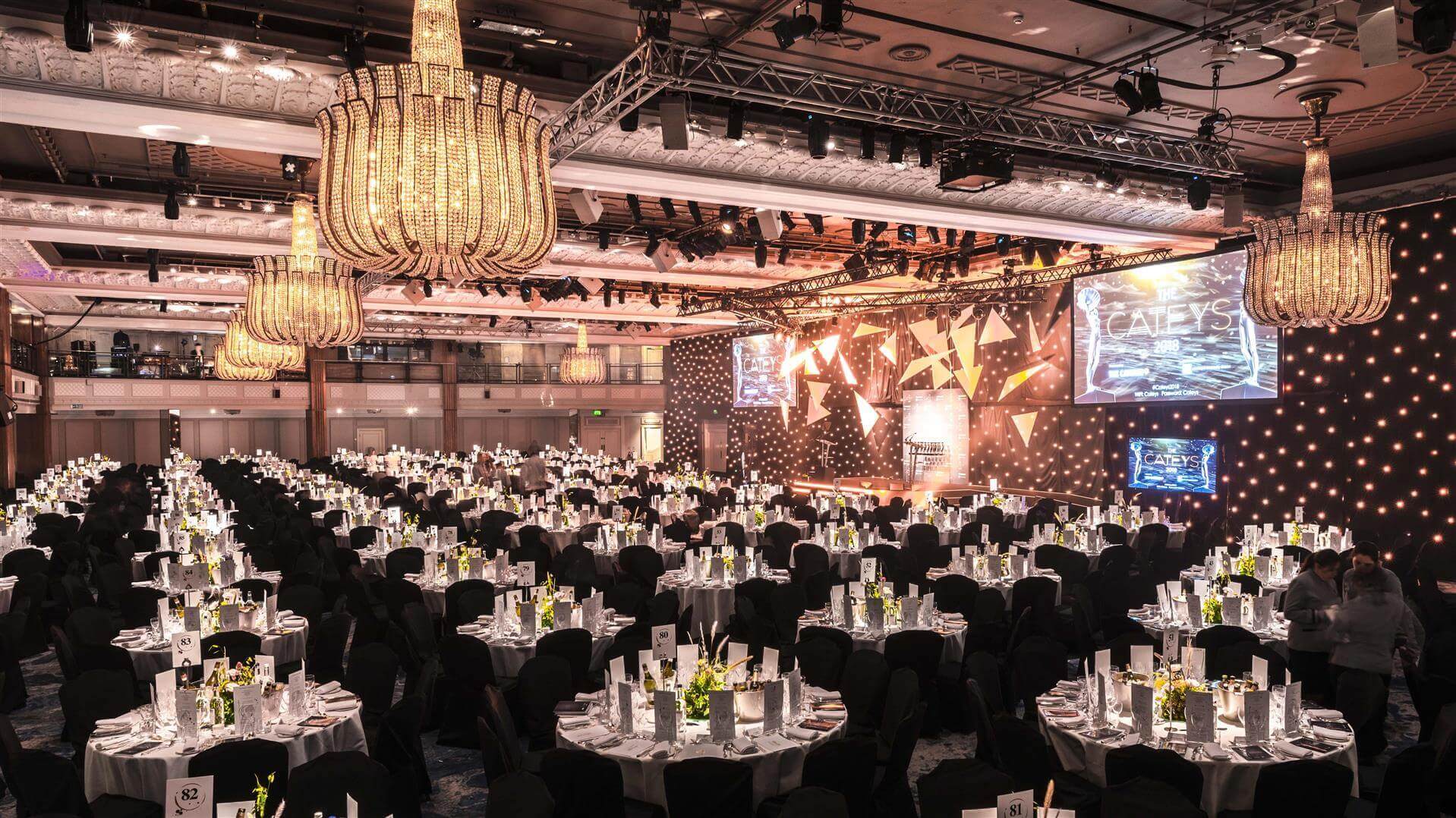
At its core, a hotel conference brings delegates, presenters, sponsors, and organisers into a contained venue where content delivery, networking, and overnight stays happen in the same place. Typical formats include corporate meetings, seminars, roadshows, board retreats, association AGMs, partner kickoffs, and academic symposia.
NB: This is an article from SiteMinder, one of our Expert Partners
Subscribe to our weekly newsletter and stay up to date
What makes it distinct from events at standalone centres is the integrated experience. Guests can check in, collect credentials, attend sessions, meet for dinner, and return to their rooms without leaving the property. For organisers, a single venue simplifies scheduling, wayfinding, registration points, and delegate communications.
Scale varies widely. A regional sales meeting might need one main room and a brief coffee service, while a national summit may require a general session, concurrent breakouts, sponsor tables, and evening receptions across multiple days. Hybrid elements are increasingly common, with recording, livestreams, or on-demand access complementing in-person attendance.
From the guest perspective, a good hotel conference feels intuitive. The arrival route is clear, the agenda is easy to follow, and movement between sessions, meals, and bedrooms is simple. From the operator’s perspective, it is an operational bundle that aligns space, services, and guest flow into a single event footprint without over complicating day-to-day hotel operations.
How can you maximise booking & revenue with a hotel event space?
Conference spaces perform best when treated as part of a larger revenue strategy rather than a standalone feature. By bundling accommodation, catering, and experience-based add-ons, hotels can drive higher booking values while keeping their facilities fully utilised year-round. Every element of the event journey, from room rate to refreshments, can become an opportunity to increase yield.
Hotel conference demand trends to plan for
- The global events industry is set to expand by USD 1.07 trillion between 2025 and 2029, driven by increased corporate spending and digital transformation.
- Demand for smaller-scale meetings continues to rise, with 58% of organisers hosting more in-person events under 200 attendees. This shift creates consistent opportunities for hotels with right-sized, flexible spaces.
- Technology-led experiences are shaping corporate events, making digitally supported venues more competitive and attractive to high-value clients.
Packaging room and conference bundles
Bundled packages that combine accommodation, catering, and meeting space create clear value for organisers and simplify sales for your team. Offering a flat per-person rate or tiered options such as “day delegate” or “residential” packages helps clients understand costs upfront. This structure also drives higher average spend by encouraging guests to stay longer and dine on-site.