

Before diving into tactics, it’s important to understand this: not all reviews are treated equally by search engines and booking platforms. Google, Google Maps and major Online Travel Agencies (OTAs) evaluate your reputation based on four core review signals.
NB: This is an article from Lighthouse
Subscribe to our weekly newsletter and stay up to date
Together, these signals influence how often your property is shown and how high it ranks.
- Volume of reviews
- Average score
- Recency and frequency
- Engagement (responses)
1. Review volume: Why more reviews mean more visibility
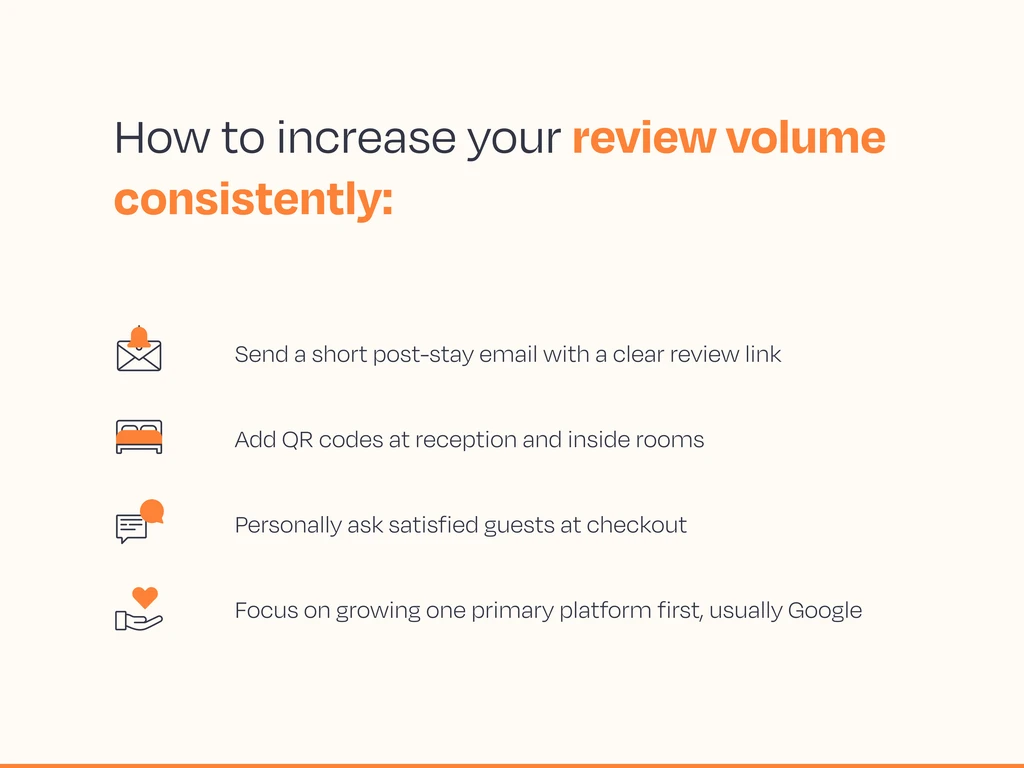
The total number of reviews your hotel has directly influences how visible you are online.
A higher review count signals “prominence” to Google, meaning your property appears more established and trustworthy. This increases your chances of ranking in the Google Local Pack and on Google Maps. OTAs also favor properties with higher review volumes because they inspire more trust among travelers.
In addition, a steady stream of new reviews strengthens your local SEO performance by showing booking channels that your hotel is active and consistently welcoming guests.
2. Average rating: The threshold effect
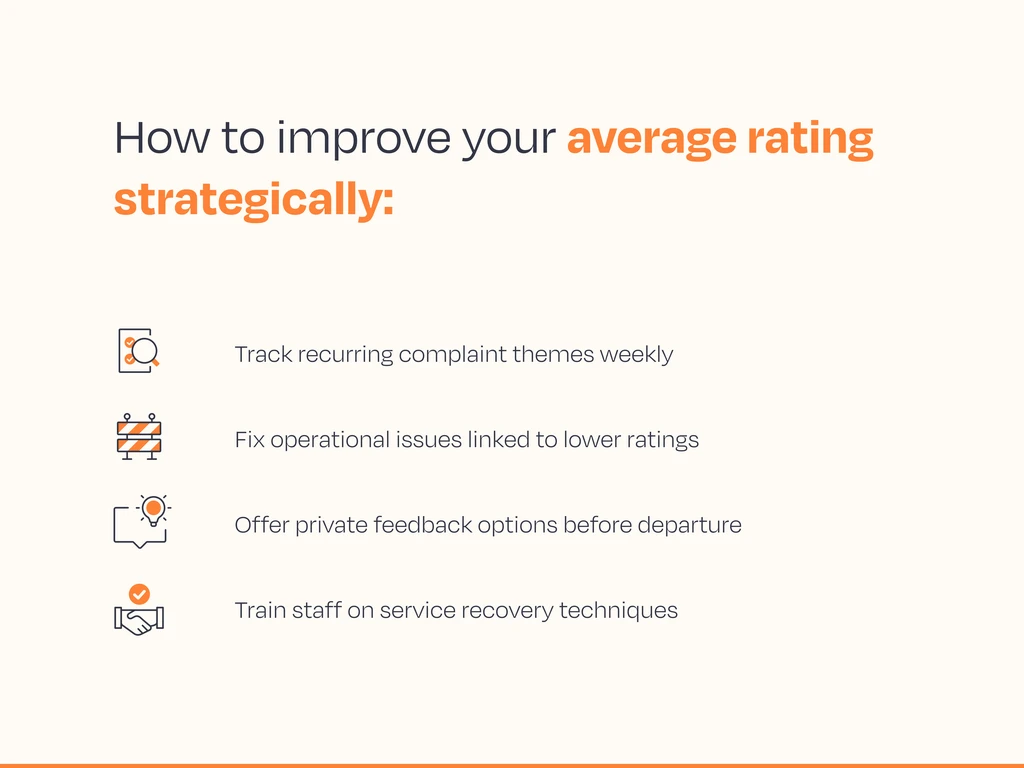
Your average rating significantly impacts both ranking and click behavior. Higher star ratings are strongly associated with stronger visibility in search results.
Many OTAs apply informal “threshold effects,” where properties above certain score levels, such as 8.2+ on Booking.com, tend to perform better in rankings. Even small improvements in your rating can noticeably increase click-through rates, since travelers often filter out properties below certain score levels.
3. Recency and review frequency: Fresh content wins
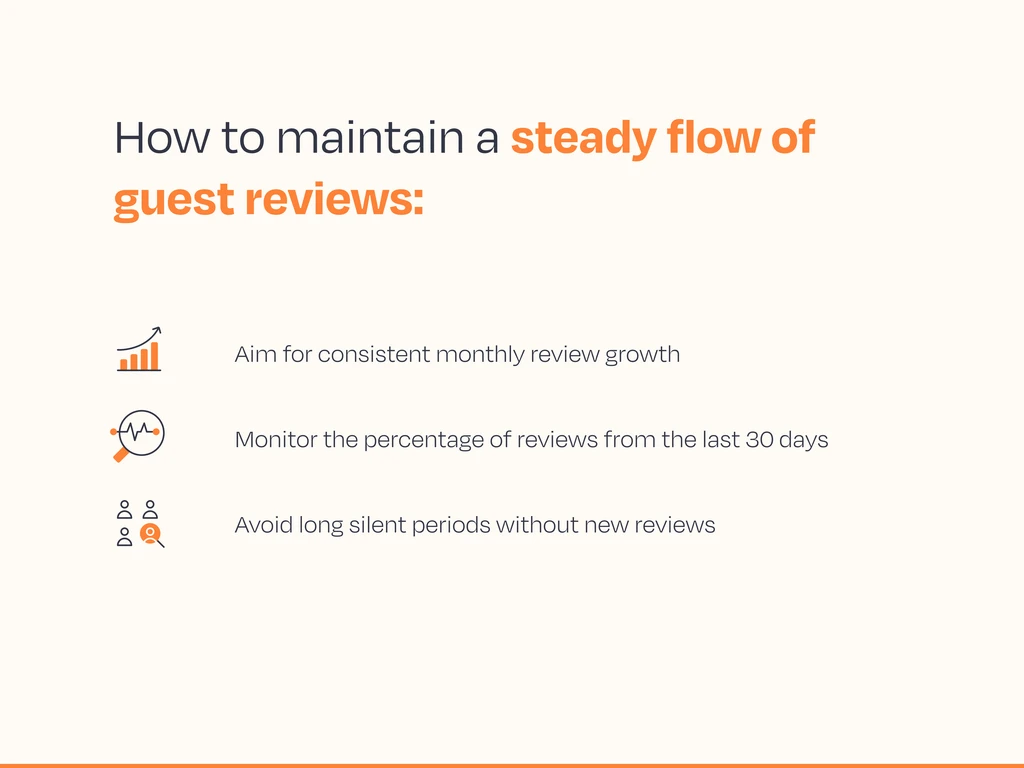
Review freshness plays a crucial role in visibility. Google gives more weight to recent reviews, and OTAs reward properties that show consistent activity. A steady flow of new feedback signals relevance and reliability. In contrast, properties with long gaps between reviews may lose ranking momentum and appear less active in search results.
4. Review responses: The underestimated ranking factor
Review responses are a measurable ranking factor that many independent hotels overlook. Businesses that respond to 75% or more of their Google reviews tend to rank significantly higher in local results. Faster replies, especially within 24 hours, correlate with better Local Pack placement.