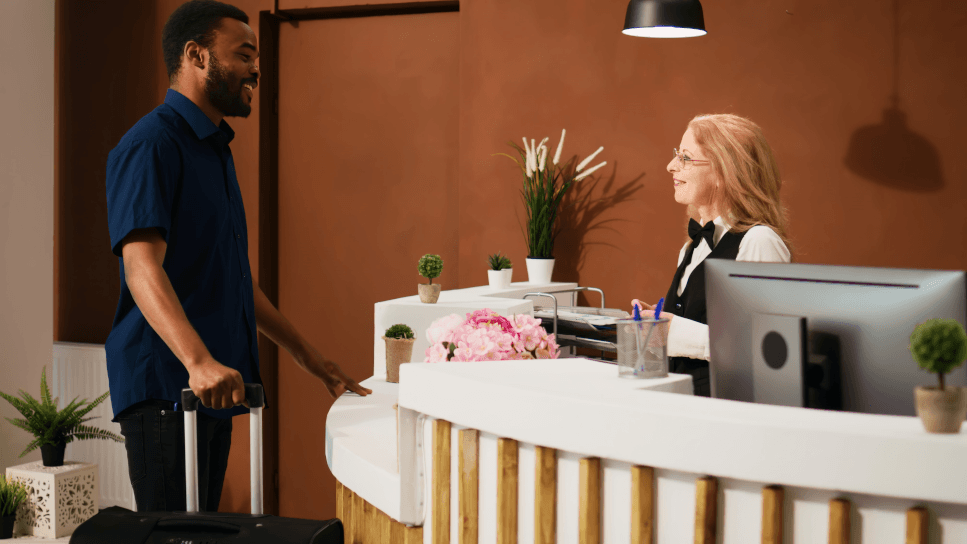
It was a Friday night. Table of four, booked for 7:30pm. They had the set menu, a bottle of red, desserts. When I went over to check on them halfway through the main course, one of them looked up and smiled. Everything was great, thank you. Lovely. Really lovely.
NB: This is an article from IntuitiveStay
Subscribe to our weekly newsletter and stay up to date
They left a decent tip. Said goodnight on the way out. Seemed genuinely pleased.
Saturday morning, I checked the reviews. One star. “Disappointing from start to finish. Food arrived cold, staff seemed distracted, and we felt completely rushed and the red wine was overpriced. Would not return.”
I stood in the kitchen reading it twice, then a third time, because I had been there. I had spoken to that table. I had asked for guest feedback directly, face to face and they had told me everything was fine.
If you run a restaurant, pub, B&B, boutique hotel, or any independent hospitality business, you have had this experience. The gap between what guests say to your face and what they write online is not a mystery. It is a documented psychological phenomenon.
Until you understand it properly, your guest satisfaction scores will keep telling you one thing while your reviews tell you another.
Why guests don’t complain to your face but they will to Google and Tripadvisor
The most common question I hear from independent operators is some version of why guests don’t complain to your face but will leave a one-star review on Google 48 hours later.
The answer is that the conditions of the face-to-face interaction actively prevent honest complaint. Telling a stranger, at their place of work, in front of their colleagues, while their own dining companions are watching, that the food was cold and the service was slow, requires a social confrontation. Not a dramatic one, but a real one. It means creating an awkward moment, watching someone’s face fall, potentially causing a scene.
Most people will do almost anything to avoid that. So they say fine. They smile. They leave.
This is not cowardice or dishonesty. It is normal human social behaviour, and it happens in every service industry in the world. The difference in hospitality is that the guest feedback infrastructure we have built, table checks, checkout surveys, verbal requests for feedback, operates almost entirely in the conditions most likely to produce this response.
We have built our entire approach to collecting guest satisfaction data around the moment of maximum social pressure and then we have wondered why we keep getting surprised by the reviews.