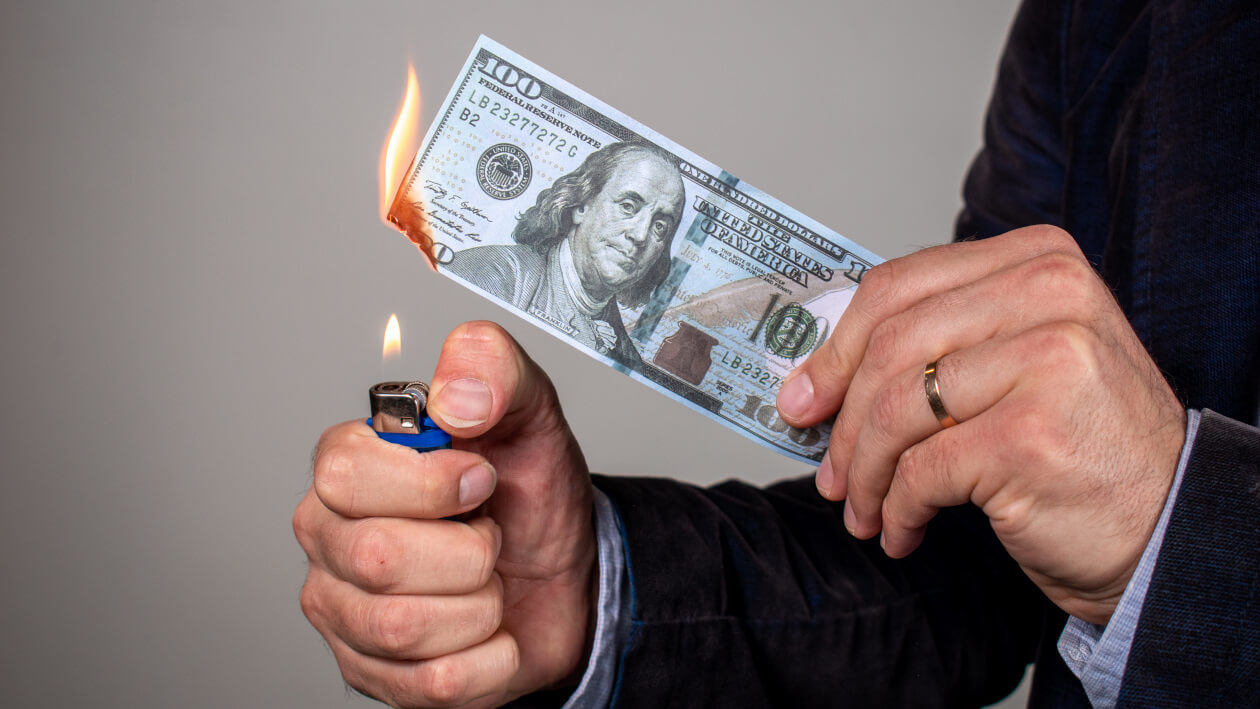
These days, there are once again countless supposed special offers. In the USA, Thanksgiving always falls on a Thursday at the end of November, and the following Friday traditionally marks the start of the gift-giving season: Black Friday. Billions in sales, huge discount signs, ‘deals’ everywhere.
NB: This is an article from Rateboard
Subscribe to our weekly newsletter and stay up to date
Or should we say: perceived deals?
Most people love bargains. Many consumers are so conditioned to discounts that they ultimately enjoy the deal more than the product itself. Nobel Prize winner Richard Thaler has described this phenomenon as ‘transaction utility’: the good feeling of having made a supposedly clever deal.
Many customers turn it into something of a sport. The ‘hunt’ for a bargain generates a brief dopamine rush in the reward system, and with every successful discount, this learning loop is reinforced. Those who regularly take advantage of discount promotions focus their attention more and more on the price.
This creates a problem that hoteliers are very familiar with: if guests systematically learn to wait until the price drops, then you have – unintentionally – turned them into bargain hunters.
But good pricing does exactly the opposite. The goal is not to communicate the lowest possible price. The goal is to make the value of an offer visible and clearly highlight it.
Why too many price changes are dangerous
Constant downward price movements, even if they appear tactically sensible, teach guests to wait for exactly that. This undermines price integrity and makes any form of active pricing strategy difficult in the long term.
An effective measure can therefore be to clearly communicate that prices will not fall again, even if demand declines or certain quotas are not sold. Such guidelines prevent guests from ‘waiting for a bargain’.
Want to read more about price psychology? Here you’ll find our article about personalized prices.