
pricing
2026 Slowdown: What US Hotel Revenue Managers Should Expect
When ADR growth slows, the smartest revenue managers stop chasing rate for its own sake. What actually moves the needle is balance

Why Multigenerational Travel Matters for Small Hotel Owners
This article provides actionable strategies to help independent hotels capture multigenerational bookings and turn them into repeat guests

How Hoteliers In The Netherlands Can Navigate 2026 VAT Increase
The VAT change alone won’t shape demand but how hotels communicate their value. Hotels should present their offering confidently and consistently

Black Friday a Big Risk for Hotel RevPAR Cannibalization
Black Friday and Cyber Monday have been established as top selling days in the hotel industry, too. However, there are risks involved: those who offer discounts on room rates without […]
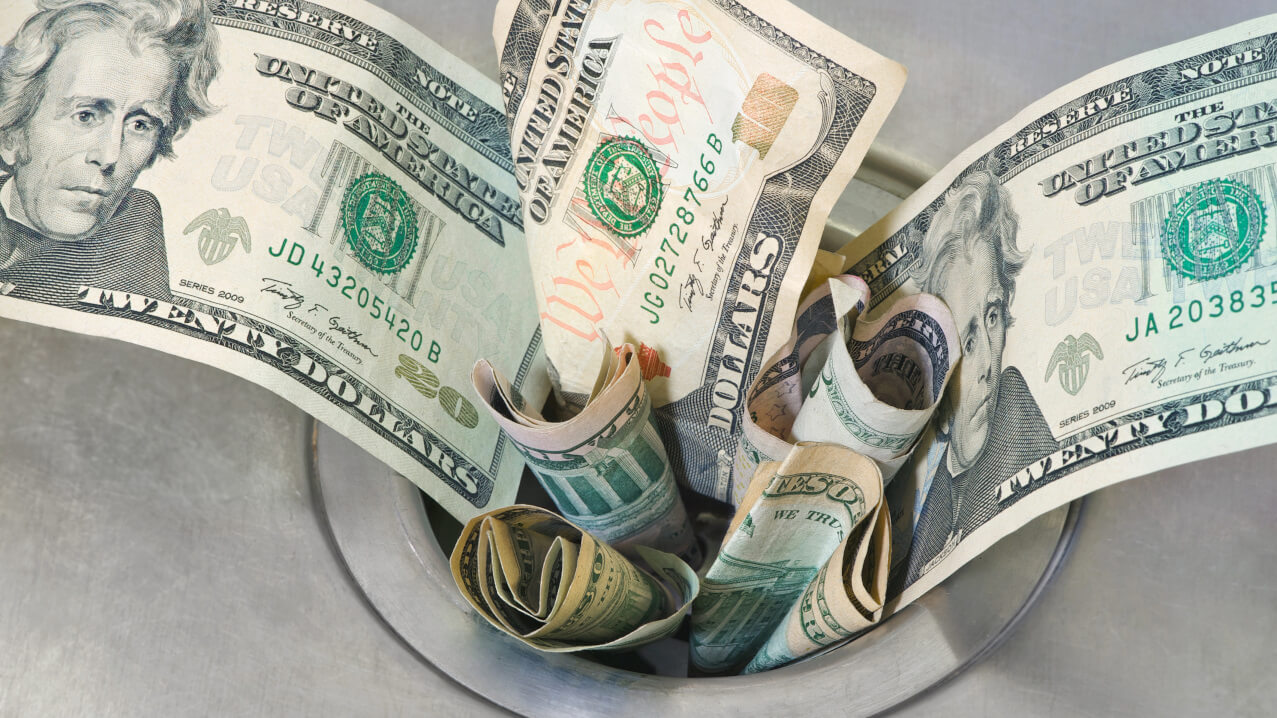
How the Wrong Hotel Business Mix Quietly Destroys Profitability
High occupancy can distract. A full hotel can be the least profitable version of itself when the wrong segments dominate the house
Hotels Want Collaborative AI Not Just More Automation
The people getting the most value from AI today are those using it in a way that gives them more control over their decisions, not less
Why Dynamic Pricing Is No Longer Optional For Hotels
Dynamic pricing can help you compete, capture revenue, and save time. Manual pricing is too slow for today’s market – Every decision matters
Escape the Generic Hotel Trap and Start with Purpose
To break free from this cycle, you must stop defining your hotel by its star rating, location, or brand flag. Instead, define it by the guest’s intent
From Demand to Value: Modern Approach to Revenue Strategy
When things are bad, they get worse. Because low demand and occupancy being met with lower rates ultimately means lower revenue all around
Skills Every Revenue Leader Needs to be a Commercial Strategist
The next great revenue leaders won’t be those who know the most about pricing models, they’ll be the ones who align people, purpose, and profit